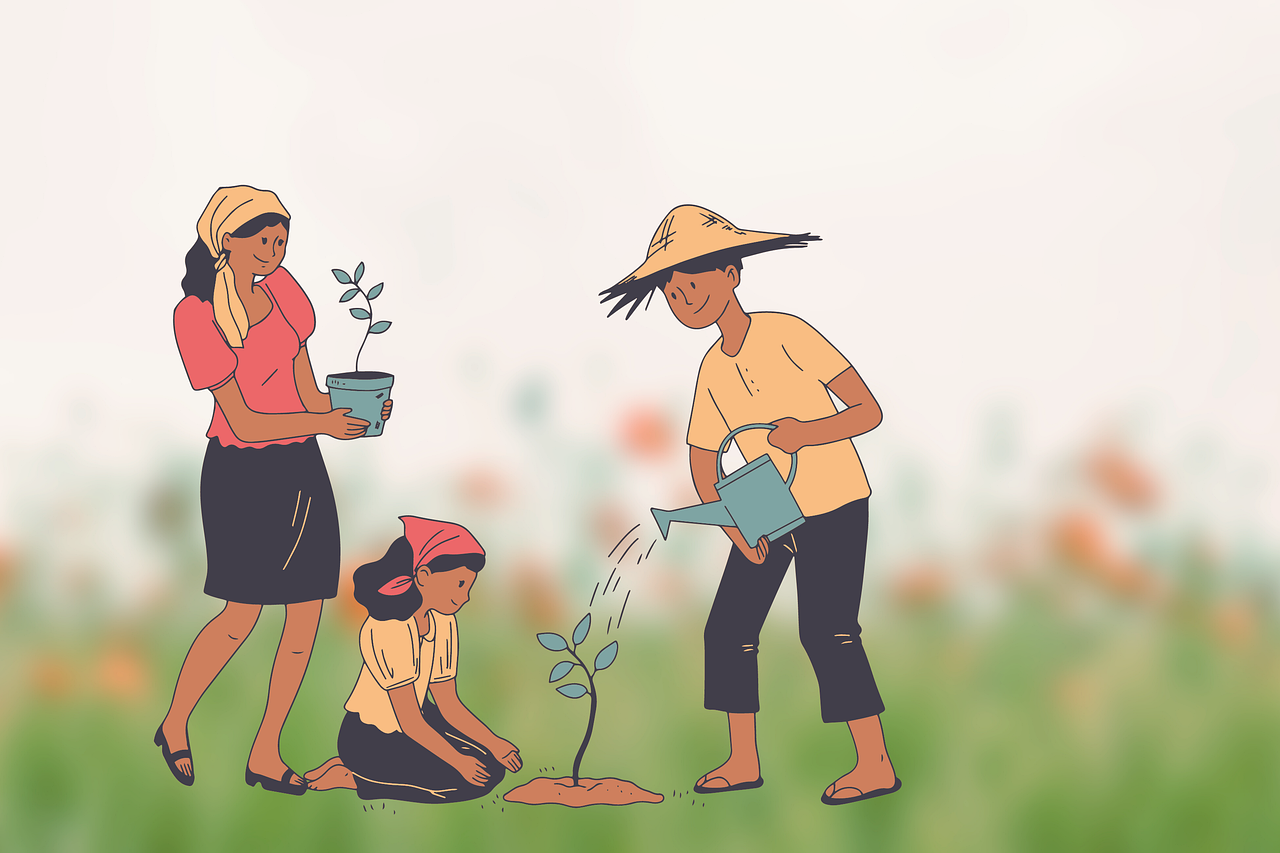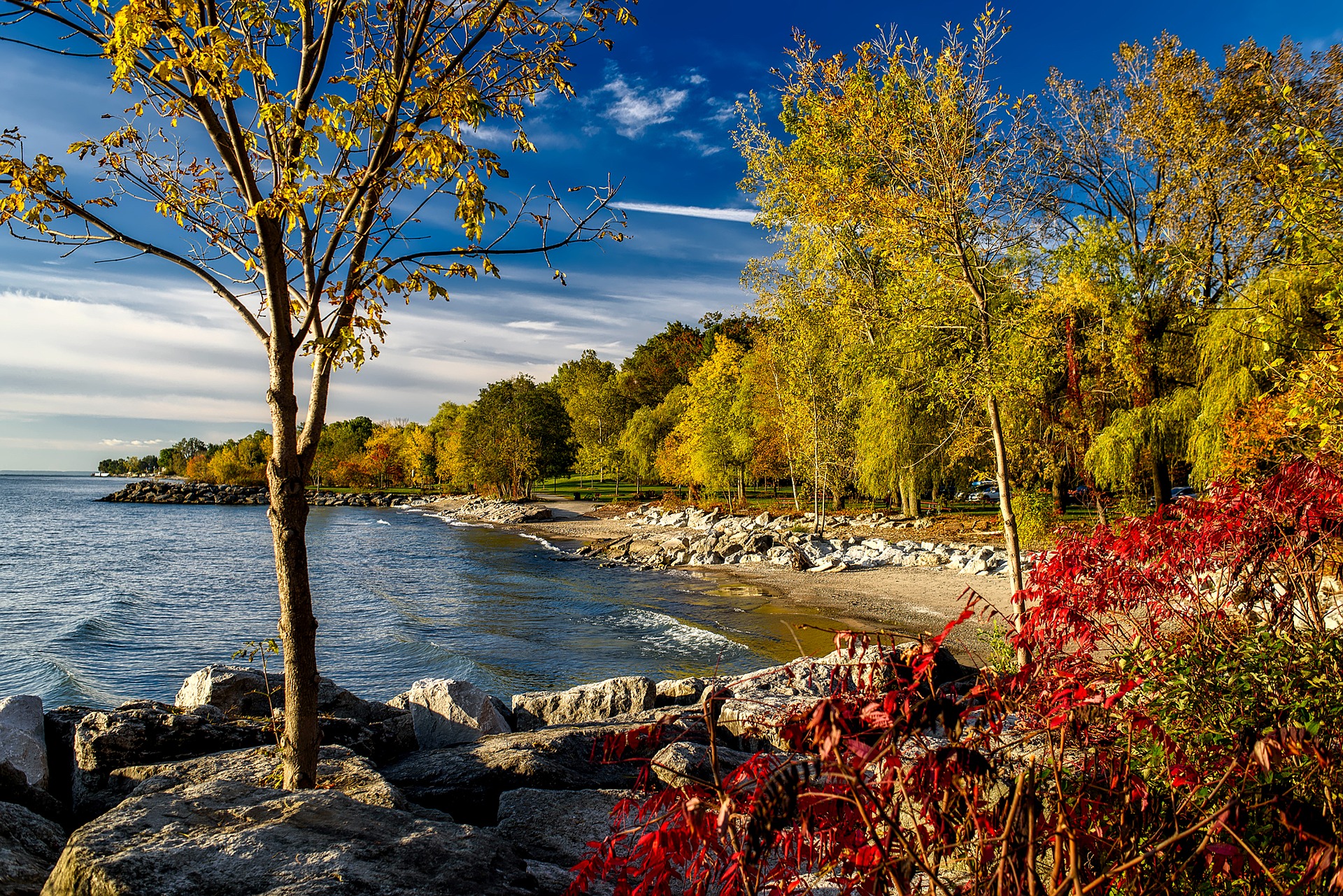

The Nature Initiative at Nurses Drawdown encourages nurses to promote Nature-based solutions effectively to address greenhouse gasses in several ways. Planting trees on vacant land works to pull carbon out of the air and sink it in the soil. According to Drawdown science, planting dense plots of diverse and native species also has numerous health co-benefits including enhanced food options as well as flood and drought protection. Protecting forests, especially in the tropics, not only draws down greenhouse gasses but healthy tropical forests are necessary for healthy humans. Forests protect our pollinators which are necessary for adequate food supplies; forests protect biodiversity which is essential for future medicines; and protecting all forests protects people and communities that have called these places home for thousands of years.
5.52–8.75
GIGATONS
CO2 EQUIVALENT
REDUCED / SEQUESTERED
(2020–2050)
Mature, healthy forests are powerful storehouses of both biodiversity and carbon. Forests like the Great Bear Rainforest of British Columbia’s (BC) central coast are some of the most biodiverse ecosystems on Earth. Canada’s Boreal Forest spans the country and is home to more intact forest than anywhere else on Earth, including 25% of the world’s remaining primary forest (Boreal Conservation, n.d.). In addition to their wealth of biodiversity, the biomass and soil of mature forests are carbon sinks containing hundreds of billions of tons of carbon (Project Drawdown, 2020a).
Still, forests are being cut down at an alarming rate resulting in the release of carbon and the loss of critical ecosystem services like water regulation and supply (Project Drawdown, 2020a). More than 15 billion trees are cut down each year, and carbon emissions from deforestation and associated land use change are estimated to be 10 – 15% of the world’s total emissions (Project Drawdown, 2020a). Less than 30% of the world’s primary forests remain, and in BC for example, without a strong, decisive forest protection policy, old-growth hemlock and spruce will be milled into wood pellets and ancient cedars will become fence posts and burned slash piles which add to BC’s carbon emissions (Cox, 2019).
Climate mitigation, however, demands that we keep forest carbon in the ground through forest protection as forests store more carbon than any other terrestrial ecosystem (Government of Canada, 2020). Additional benefits of forest protection include biodiversity protection, non-timber products, erosion control, pollination, ecotourism, and other ecosystem services (Project Drawdown, 2020a). In Canada, Indigenous-led conservation is a critical part of any forest conservation project moving forward.
22.24–35.94
GIGATONS
CO2 EQUIVALENT
REDUCED / SEQUESTERED
(2020–2050)
$16.67–72.09
BILLION $US
NET FIRST COST
(TO IMPLEMENT SOLUTION)
$-259.5 - -164.86
BILLION $US
LIFETIME NET
OPERATIONAL SAVINGS
$2.15–3.38
TRILLION $US
LIFETIME
NET PROFIT
Afforestation is the strategic planting of new forests on degraded or abandoned land previously used for pasture, agriculture, or industrial activities like mining (Project Drawdown, 2020b). Afforestation projects around the world are on the rise to provide forest products like wood and fiber, as well as carbon offsets because planting trees sequesters carbon, drawing it down into plant biomass and the soil. According to the United Nations Global Forest Goals (2020), afforestation is a key strategy to reverse the loss of forest cover globally and mitigate climate change.
While tree plantations are a vital method of climate change mitigation, they are controversial because the long-term well-being of the land and local communities are typically not taken into account. The planting of monoculture forests, often motivated by financial interests, has resulted in ecologically poor habitats. The “Miyawaki Method”, developed by Japanese plant ecologist Akira Miyawaki, is demonstrating that biodiversity, ecosystem services, and human needs can be supported by growing dense plots of indigenous forest with diverse species (Project Drawdown, 2021). Inspired by the Miyawaki Method, rapidly growing biodiverse and dense, “mini-forests” are sprouting up in Europe, India, and around the world (Lewis, 2020).
In line with this thinking, the Ontario Biodiversity Afforestation Project (OBAP) is focused on re-establishing long-lived forest species on land once used for agriculture with the purpose of sequestering carbon and regenerating forest biodiversity (Carbonzero, 2021). In 2020, the Canadian federal government is developing the “Growing Canada’s Forests Program” with a commitment to plant 2 billion trees over the next 10 years in the interest of climate change mitigation, the ecosystem services that forests provide, and for biodiversity (Government of Canada, 2021).
Tree plantation on degraded land is already practiced on a wide scale, and represents an important high-carbon land use. It produces products of critical importance and can help reduce pressure on intact forests. Though not a "silver bullet," it is an essential component of land-based mitigation efforts.
Project Drawdown
8.69–12.93
GIGATONS
CO2 EQUIVALENT
REDUCED / SEQUESTERED
(2020–2050)
$0
BILLION $US
NET FIRST COST
(TO IMPLEMENT SOLUTION)
The indigenous peoples’ forest tenure solution has highly desirable human rights co-benefits, leading Project Drawdown to prioritize it for forest lands wherever possible.
Project Drawdown
Across the globe, Indigenous communities are on the frontline of resistance against deforestation, industrial resource extraction projects, monocrop plantations – and consequently, climate change (Project Drawdown, 2020c). In Canada, Indigenous-led conservation is strengthening throughout the country, offering a model rooted in accountability, sustainability and climate change mitigation. “Many Indigenous Nations are building conservation-based economies that transcend the boom and bust cycle [of resource extraction and status quo forestry]. We are generating jobs and honouring our responsibility to the land at the same time” states Valérie Courtois, director of the Indigenous Leadership Initiative (International Boreal Conservation Campaign, 2020, para. 6).
In the past 40 years, Indigenous Forest Tenure has increased from 0.05% of Canada’s total wood supply to 10.5% (with a decrease in supply due to fire, establishment of park land and habitat protection) (The Canadian Press, 2019). Increasingly more forest tenure is coming under the control of Indigenous communities as legislation changes, such as BC’s Forest Amendment Act – which can potentially allow the transfer of more forest tenure to BC First Nations – and the principles of the UN Declaration on the Rights of Indigenous Peoples are enacted by provincial governments (The Canadian Press, 2019). According to Charlene Higgins of BC First Nations Forestry Council, “as more tenure comes under the control of First Nations, we’re going to see the management of forests change to better reflect Indigenous views and perspectives, and that’s a much longer-term model” (The Canadian Press, 2019, para. 15).
Beyond carbon, indigenous land management conserves biodiversity, maintains a range of ecosystems services, safeguards rich cultures and traditional ways of life, and responds to the needs of the most vulnerable.
Project Drawdown
19.42–27.85
GIGATONS
CO2 EQUIVALENT
REDUCED / SEQUESTERED
(2020–2050)
The Earth’s 1.9 billion acres of temperate forests – 25% of total forest – are a net-carbon sink (Project Drawdown, 2020d). According to the World Resources Institute, more than 1.4 billion additional acres could potentially be restored —either large-scale, closed forest or mixed mosaics of forests, more sparsely growing trees, and land uses such as agriculture (Project Drawdown, 2020d). With restoration comes carbon “drawdown”.
In Canada, temperate forest is found in the mixed broadleaf Acadian forest region of Quebec and the Maritimes, and in the cedar, fir, and hemlock rainforest of the west coast. Temperate forests in Canada are threatened by development, drought, wildfire, insects and disease. Temperate forest restoration, done by allowing natural regeneration and tree planting, take a back seat to protecting original forest.
Land use change, such as conversion of forest to farmland or cities and parks, as well as unsustainable logging and strip mining have rid us of a huge percentage of true temperate deciduous forest, causing many plants and animals that live here to be endangered.
The Wild Classroom - Biomes
Forest Solutions for climate change protect and benefit planetary health, “the health of human civilisation and the state of the natural systems on which it depends” (Whitmee et al., 2015). Planting trees is considered one of the most economical ways to draw down carbon. Tree planting can therefore play a critical role in helping reduce greenhouse gas emissions and assist the transition to a fossil-free, healthy future for people and the planet (Carrington , 2019). Immediate health benefits include that patients who have a view of trees spend fewer days in the hospital (Potter, 2019 ).
Indigenous-led land protection is key to Canada’s healthy future...
Skene, 2020
From Project Drawdown (2020a)
“Strategies to stop deforestation and protect forests include:
Canada’s Indigenous Peoples must lead efforts to conserve the boreal region.
Boreal Conservation
Boreal Conservation. An intact forest. https://www.borealconservation.org/intact-forest
Carbon Zero. (2021). Ontario biodiversity afforestation project. https://www.carbonzero.ca/project/ontario-biodiversity-afforestation-project-obap/
Cox, S. (2019). Canada’s forgotten rainforest. The Narwhal. https://thenarwhal.ca/canadas-forgotten-rainforest/
Government of Canada. (2020). The 2020 state of Canada’s forests annual report: An overview. https://www.nrcan.gc.ca/2020-state-canadas-forests-annual-report-overview/22925
Lewis, H. (2020, June 13). Fast-growing mini-forests spring up in Europe to aid climate. The Guardian. https://www.theguardian.com/environment/2020/jun/13/fast-growing-mini-forests-spring-up-in-europe-to-aid-climate
Project Drawdown. (2020a). Forest Protection. https://drawdown.org/solutions/forest-protection
Project Drawdown. (2020b). Tree Plantations (on degraded land). https://drawdown.org/solutions/tree-plantations-on-degraded-land
Project Drawdown. (2020c). Indigenous Peoples Forest Tenure. https://drawdown.org/solutions/indigenous-peoples-forest-tenure
Project Drawdown. (2020d). Temperate Forest Restoration. https://drawdown.org/solutions/temperate-forest-restoration
United Nations. (2020). Global forest goals and targets of the UN strategic plan for forests 2030. https://www.un.org/esa/forests/wp-content/uploads/2019/04/Global-Forest-Goals-booklet-Apr-2019.pdf
Whitmee, S., Haines, A., Beyrer, C., Boltz, F., Capon, A. G., de Souza Dias, B. F., Ezeh, A., Frumkin, H., Gong, P., Head, P., Horton, R., Mace, G. M., Marten, R., Myers, S. S., Nishtar, S., Osofsky, S. A., Pattanayak, S. K., Pongsiri, M. J., Romanelli, C., Soucat, A., … Yach, D. (2015). Safeguarding human health in the Anthropocene epoch: report of The Rockefeller Foundation-Lancet Commission on planetary health. Lancet (London, England), 386(10007), 1973–2028. https://doi.org/10.1016/S0140-6736(15)60901-1
Wild Classroom – Biomes. The Deciduous Forest and us. https://thewildclassroom.com/biomes/temperate-deciduous-forest/
Explore CANE’s work in these five key areas in support of this campaign:

Supporting a clean energy future by promoting energy efficiency and advocating for a transition to renewable energy.
Committing to eat a more plant-based sustainable diet, use clean - burning cook stoves, and reduce food waste.

Supporting education for girls and access to family planning to support female empowerment, success and autonomy.

Promoting walkable cities, including improving bike infrastructure and mass transit reduces fossil fuel emissions.

Planting and protecting forests which also supports pollinators, provides habitat, filters water, and sequesters carbon.